
In 2026, TAU reviewers continue to make outstanding contributions to the peer review process. They demonstrated professional effort and enthusiasm in their reviews and provided comments that genuinely help the authors to enhance their work.
Hereby, we would like to highlight some of our outstanding reviewers, with a brief interview of their thoughts and insights as a reviewer. Allow us to express our heartfelt gratitude for their tremendous effort and valuable contributions to the scientific process.
Maharan Kabha, Lady Davis Carmel Medical Centre, Israel
Mohammed Shahait, University of California at Irvine, USA
Jason R. Browna, University Hospitals Cleveland Medical Center, USA
Clément Larose, Laval University, Canada
Patrick Rein, HOCH-Health Ostschweiz Hospital, Swizerland
Ryuta Watanabe, Ehime University Hospital, Japan
Shuhei Hara, Massachusetts General Hospital / Harvard Medical School, USA
Bhaumik Shah, Temple University Health System, USA
K. Olivia Mock, Stony Brook University, USA
Simon Filmar, Department of Urology, Asklepios Klinik Barmbek, Germany
Nichlas Vous Christensen, Aarhus University, Denmark
Kieran J. Moore, Dalhousie University, Canada
Michał A. Skrzypczyk, Centre of Postgraduate Medical Education (CMKP), Poland
Artin Aghazarian, Hospital Hietzing, Austria
Takanori Hayase, Gyoda General Hospital / Jichi Medical University Saitama Medical Center, Japan
Ana I. Flores, Instituto de Investigación Hospital, Spain
Sun-Ouck Kim, Chonnam National University Hospital, Korea
Maharan Kabha
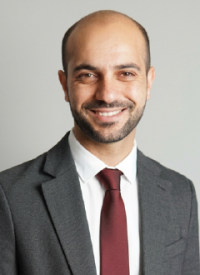
Dr. Maharan Kabha specializes in male reproductive health and sexual medicine. He serves as Senior Urologist and Andrologist in the Department of Urology and Director of the Andrology Service at Carmel Medical Center, Lady Davis Hospital, Haifa, Israel, which is affiliated with the Ruth and Bruce Rappaport Faculty of Medicine at the Technion–Israel Institute of Technology. He completed advanced postgraduate training in the Andrology Program at the University of British Columbia (UBC), under the mentorship of Dr. Ryan Flannigan, a clinician-scientist in the Department of Urologic Sciences. His clinical and research interests include male infertility and male sexual dysfunction. He is actively involved in translational research, innovation, and medical device development in fertility and sexual medicine, supported by the Mehoudar Center for Inventors at the Technion. His recent research also includes collaborative basic science studies on sperm biology and infertility with the Podbilewicz Laboratory, Department of Biology. Connect with him on LinkedIn.
Dr. Kabha believes that peer review is a fundamental mechanism that ensures the quality, rigor, and credibility of scientific research. It allows experts in the field to critically evaluate methodology, analysis, and conclusions before publication, thereby strengthening the reliability and integrity of the scientific literature.
Dr. Kabha emphasizes that an objective review focuses on the scientific merit of the work rather than on the authors or institutions involved. It evaluates the manuscript based on methodological rigor, clarity of presentation, relevance to the field, and whether the conclusions are supported by the data. To maintain objectivity, he approaches each manuscript with a structured perspective, assessing the research question, study design, statistical analysis, and interpretation independently from his personal opinions or expectations. He also tries to provide balanced feedback by highlighting both the strengths and the areas needing improvement. He stresses that maintaining professionalism, fairness, and transparency is essential to ensure that the review process remains constructive and unbiased.
In Dr. Kabha’s opinion, disclosure of conflicts of interest (COIs) is essential for transparency and trust in scientific research. While a COI does not necessarily invalidate findings, proper disclosure allows readers and reviewers to interpret the results with appropriate context.
(by Ziv Zhang, Brad Li)
Mohammed Shahait
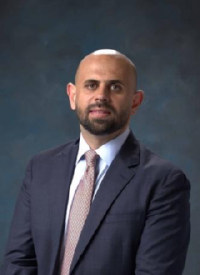
Dr. Mohammed Shahait is an Assistant Professor of Urology at University of California, Irvine (UCI), specializing in prostate cancer, robotic surgery, and precision diagnostics. He completed residency training at the American University of Beirut Medical Center, followed by fellowships in Endourology at the University of Pittsburgh and Robotic Urologic Oncology at the University of Pennsylvania. His clinical and research work centers on outcome research in robotic surgery, advanced prostate cancer imaging, transperineal MRI-fusion biopsy, and personalized surgical outcomes. Dr. Shahait has authored over 100 peer-reviewed publications and leads multiple initiatives integrating genomics, radiomics, and artificial intelligence to improve risk stratification and recovery after prostate cancer surgery. He is deeply committed to mentorship, education, and innovation, and actively contributes to advancing academic urology through research collaboration and training programs.
TAU: What role does peer review play in science?
Dr. Shahait: One of my favorite quotes about peer review is by Chris Mooney,“Even if individual researchers are prone to falling in love with their own theories, the broader process of peer review and institutionalized skepticism are designed to ensure that, eventually, the best ideas prevail.” Despite its imperfections, peer review remains the primary quality filter that ensures sound science reaches publication. It provides independent scrutiny, challenges assumptions, and often introduces new perspectives that ultimately strengthen the work.
TAU: What do you consider as an objective review?
Dr. Shahait: To me, reviewing is an honorable responsibility with the goal of improving science. I approach each manuscript with the mindset of “How can this be better?” I focus on methodology, clarity, and clinical relevance rather than personal preference. I aim to give constructive, actionable feedback that helps authors elevate the quality and impact of their work.
TAU: The burden of being a scientist/doctor is heavy. How do you allocate time to do peer review?
Dr. Shahait: Time management is truly an art. I prioritize reviews in areas I’m passionate about or where I can add real value. I schedule dedicated blocks of time—just like clinic or operation time—so reviewing doesn’t become an afterthought. Treating peer review as part of my academic duty rather than an extra task helps me stay consistent and engaged.
(by Naomi Hu, Brad Li)
Jason R. Browna

Jason Browna, MD, PhD, is a genitourinary medical oncologist at University Hospitals Cleveland Medical Center and appointed as an Assistant Professor at the Case Western School of Medicine. He earned his PhD in Experimental Pathology and his MD at Yale University. He completed both his residency training in Internal Medicine and fellowship training in Hematology and Oncology at the University of Michigan. His research interests include early-stage clinical trials and application of novel biomarkers in genitourinary cancers. Recently, he has conducted retrospective real-world analyses on the impacts of pre-existing neuropathy and diabetes and on dose reductions on survival outcomes with enfortumab vedotin for advanced urothelial cancer. He also has been evaluating the role of circulating tumor DNA in treatment response and is designing prospective trials that utilize this biomarker. He is also associate program director of the fellowship program, and mentors students, residents, and fellows in various research projects. Connect with him on X.
Dr. Browna reckons that a good reviewer should take the time to carefully and critically read the article. They should be able to analyze and appraise the strengths and weaknesses of the manuscript and offer clear and constructive suggestions to the authors to strengthen their investigation.
According to Dr. Browna, one major limitation of the peer-review system is finding reviewers who are willing to spend the time to review articles. This leads to delays in the review process, leaving authors in limbo as to the outcome of their work. There are minimal incentives for reviewers, which could potentially improve the system. Reviews are also subjective, so including reviewers with different perspectives will help overcome this.
(by Lareina Lim, Brad Li)
Clément Larose

Dr. Clément Larose is a clinician-researcher in urology specializing in andrology and uro-oncology, with a particular focus on prostate cancer risk stratification and modifiable risk factors. As a former Senior Registrar physician at the Nancy-University-Hospital in France, he is currently completing a fellowship and a Ph.D. in Clinical and Biomedical Sciences in the Department of Urology at the University Hospital of Quebec – Laval University, Canada. Actively involved in multidisciplinary research, he has presented his work at major international urology conferences, including the American Urological Association and the European Association of Urology annual meetings. His work is driven by a strong commitment to advancing precision medicine through innovative and clinically applicable research. He is particularly dedicated to identifying modifiable risk factors that can inform targeted prevention strategies and improve long-term patient outcomes. Through international collaborations and high-impact scientific contributions, his objective is to shape the future of urology and contribute to transformative, patient-centered care. Connect with him on LinkedIn.
Dr. Clément Larose believes that peer review is essential in scientific research, as it acts as a quality-control system for knowledge before it is published and shared. First, it helps ensure scientific rigor and validity: independent experts evaluate whether the study design is appropriate, statistical analyses are correct, and conclusions are supported by the data, reducing the risk of methodological errors, bias, or overinterpretation of results. Second, it improves the quality of manuscripts, as reviewers often provide constructive feedback to help authors clarify ideas, strengthen analysis, and enhance the overall presentation of their work. Third, it serves as a filter for reliability and relevance, helping journals prioritize novel, methodologically sound, and field-relevant studies amid the large volume of scientific literature. Finally, it builds trust in science, as peer review signals that independent experts have critically evaluated the study, increasing confidence among researchers, clinicians, policymakers, and the public. In short, peer review protects the integrity of science and ensures published research is accurate, credible, and useful.
Speaking of the existing peer-review system, Dr. Larose notes that while it is the cornerstone of scientific publishing, it has well-known flaws. The main ones include publication bias—where positive results are favored over negative ones—slow turnaround times, and a lack of transparency due to often anonymous and unaccountable reviews. Reviewer fatigue is also an issue, as the work is voluntary and uncompensated. To improve the system, he believes three measures are essential: moving towards open peer review to increase accountability, implementing registered reports to tackle publication bias upfront, and formally recognizing reviewers' contributions to encourage higher quality and greater participation.
“Peer reviewers play a crucial but often invisible role in advancing science. Their time, expertise, and critical insights help ensure the quality, rigor, and credibility of scientific research. Although this work is frequently done behind the scenes and without formal recognition, it has a profound impact on the progress of knowledge. Thank you for your time, your rigor, and your commitment to science. Your work may go unnoticed by many, but it is the silent engine that drives scientific progress forward. Continued dedication from reviewers like you is essential to maintaining the integrity of the scientific process — and your contributions deserve the appreciation and recognition of the entire research community. Congratulations to each one of you,” says Dr. Larose.
(by Lareina Lim, Brad Li)
Patrick Rein

Dr. Patrick Rein is a urologist and FEBU – Fellow of the European Board of Urology. He runs his own private practice in Switzerland and performs surgical procedures within the HOCH-Health Ostschweiz Hospital network. His main clinical and scientific focus is laser enucleation of the prostate (HoLEP), particularly using miniaturized instruments with the MiLEP concept. In this context, he concentrates on techniques that aim to reduce urethral trauma while maintaining the full functional benefits of the classic HoLEP. A key aspect of his work is the use of Ultra Slim HoLEP instruments, which allow transurethral enucleation with smaller-caliber resectoscopes while preserving visualization and efficiency.
Dr. Rein points out two major limitations of the current peer-review system. One is its inefficiency. It is often difficult to find qualified reviewers, leading to delayed decisions and preventing high-quality work from being published in a timely manner. The other is bias and subjectivity, as reviews may be affected by personal, institutional, or geographic prejudice, which often disadvantages innovative or interdisciplinary research.
According to Dr. Rein, a good reviewer must be neutral and objective, assessing research based on clear criteria rather than personal preference, and remain fair and consistent in applying standards to all submissions. He also notes that the ability to deliver constructive feedback is essential; reviewers should not only identify problems but explain them clearly and offer practical solutions, which requires strong communication skills. In addition, he believes a qualified reviewer should be detail-oriented, possess sufficient professional expertise to make sound judgments, and stay open-minded toward diverse approaches and ideas.
“What motivates me is the opportunity to stay up-to-date with new studies and emerging ideas in the field. Peer review allows me to engage with current research before publication, which I find both interesting and intellectually stimulating. At the same time, I value the chance to make a constructive contribution to the scientific community. By providing thoughtful and helpful feedback, I can help improve the quality of manuscripts and support other researchers in developing their ideas further. That sense of contributing to the broader academic process is highly motivating for me,” says Dr. Rein.
(by Lareina Lim, Masaki Lo)
Ryuta Watanabe
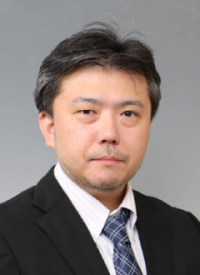
Dr. Ryuta Watanabe is a physician-scientist and Senior Assistant Professor in the Department of Urology at Ehime University Hospital, Japan. His research focuses on the molecular pathology of aggressive and treatment-resistant prostate cancer, particularly neuroendocrine prostate cancer (NEPC) and intraductal carcinoma of the prostate (IDC-P). By integrating single-cell and spatial transcriptomics, his work aims to elucidate lineage plasticity, tumor microenvironment dynamics, and mechanisms of therapeutic resistance. He has led multiple translational research projects using clinical specimens to identify novel biomarkers and therapeutic targets. He previously conducted research at the Fred Hutchinson Cancer Center under the mentorship of Peter S. Nelson. He has served as a moderator for the Prostate Cancer Basic Research session at the American Urological Association Annual Meeting in 2025 and 2026. Learn more about him here.
Dr. Watanabe believes that the quality of peer review directly determines the quality of a journal. In that sense, he notes, reviewers are not just evaluators but essential contributors who shape the scientific standard of a field. He thinks that well-trained and dedicated reviewers are indispensable for maintaining rigor, especially in rapidly evolving areas such as cancer genomics. Peer review should not be viewed as a passive checkpoint, but as an active process that refines and elevates scientific work.
Dr. Watanabe identifies one of the major challenges as securing high-quality reviewers. He explains that reviewing requires significant time and expertise, yet it is often under-recognized. Providing financial incentives, he notes, is one possible solution, but it may not always lead to better quality and could even compromise the motivation behind peer review. Instead, he suggests that recognition systems—such as reviewer awards and public acknowledgment—can serve as effective ways to maintain motivation and encourage high-quality contributions. He emphasizes that building a sustainable system that values and supports dedicated reviewers is essential for the future of scientific publishing.
According to Dr. Watanabe, an objective review requires a balance between deep expertise and neutrality. While reviewers should fully utilize their domain-specific knowledge, personal preferences or biases should not influence the evaluation. In his own reviews, he aims to provide constructive and broadly valid critiques based on scientific rigor and methodological soundness. Rather than imposing his own perspective, he focuses on whether the study is logically designed and whether the conclusions are supported by the data. Maintaining this balance is key to delivering fair and meaningful peer review.
(by Lareina Lim, Brad Li)
Shuhei Hara
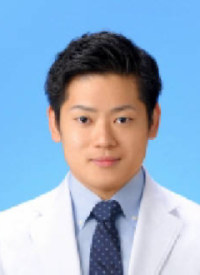
Shuhei Hara, MD, PhD, is a board-certified urologist from Japan and a JSPS Overseas Research Fellow currently based at the Center for Transplantation Sciences, Massachusetts General Hospital / Harvard Medical School, the U.S., where he is being trained in the Alessandrini Laboratory. He graduated from The Jikei University School of Medicine in 2016, completed initial clinical training at the National Center for Global Health and Medicine, and finished his urology residency at Jikei in 2021, where he subsequently practiced as a staff urologist. His clinical PhD focused on non-metastatic castration-resistant prostate cancer (nmCRPC), and his peer-reviewed work has been mainly centered in urologic oncology, with one publication in the field of transplantation medicine. He is currently researching on how transplant immune tolerance mechanisms might be applied to cancer immunotherapy. Connect with him on LinkedIn.
In Dr. Hara’s view, peer review serves two interrelated functions in science. The first is a form of quality control—helping to identify manuscripts in which the methodology, statistical handling, or interpretation may not adequately support the conclusions drawn. The second, which he considers equally important, is constructive improvement: even manuscripts that are ultimately not accepted often contain a meaningful clinical question, and thoughtful feedback can help shape that question into a stronger form for a future submission. In urologic oncology and transplantation medicine, where review articles and meta-analyses can inform clinical guidelines and treatment decisions, this dual function may carry weight beyond the academic sphere. He therefore tries to approach each review with the awareness that the literature being shaped may eventually reach patients, and he aims to contribute as carefully as he can to that process.
According to Dr. Hara, an objective review is one that tries to evaluate a manuscript primarily based on its scientific merit—study design, internal and external validity, statistical appropriateness, and the alignment between data and conclusions—as much as possible independent of authorship, institution, or whether the findings happen to agree with his own prior work. Complete objectivity is probably difficult to achieve, but he tries to follow a deliberate sequence: he first reads the manuscript focusing on the research question and methods, then considers whether the chosen design and statistical approach match the data structure, and checks whether the conclusions remain within what the data actually demonstrate. Only afterward does he consider novelty and clinical impact. When a manuscript falls outside his core expertise, he shares this limitation honestly with the editor, and he would decline a review if he has collaborated with the authors or if the topic overlaps with an unpublished manuscript of his own.
Dr. Hara believes that disclosure of conflicts of interest (COI) is essential. The ICMJE and COPE frameworks codify this requirement for good reason: when conflicts are not disclosed, readers and reviewers may lack the context they need to weigh a study fairly. Even unintentional non-disclosure, he adds, can affect trust in the scientific record. As a reviewer, he tries to treat the COI section as a meaningful part of the manuscript rather than a procedural footnote. When conflicts are properly declared, readers retain the ability to interpret the work in context, and reviewers and editors can pay appropriate attention to design choices, endpoint definitions, and the framing of conclusions. In his view, transparent disclosure does not diminish a study; rather, it helps preserve the integrity of the peer-review process and supports the credibility of the broader scientific literature on which clinical decisions ultimately depend.
(by Lareina Lim, Masaki Lo)
Bhaumik Shah

Dr. Bhaumik Shah is a Clinical Instructor in Hematopathology and Molecular Pathology at Fox Chase Cancer Center, Temple University Health System, Philadelphia. He completed his Anatomic and Clinical Pathology residency at Jackson Memorial Hospital, University of Miami, followed by Hematopathology fellowships at UCLA and Fox Chase Cancer Center, as well as an Advanced Diagnostic Molecular Hematopathology fellowship at Fox Chase. He previously undertook Clinical Pathology training at the All-India Institute of Medical Sciences, New Delhi. Dr. Shah is board-certified by the American Board of Pathology in Anatomic and Clinical Pathology and in Hematopathology, and is a Fellow of the College of American Pathologists. His current research focuses on leukemia, lymphoma, molecular diagnostics of myeloid neoplasms, and the integration of multi-omics data into hematopathology workflows. Learn more about him here.
Dr. Shah reckons that peer review serves as a rigorous mechanism to stress-test scientific findings before they become part of the permanent academic record. In medical research, unreliable conclusions carry real-world consequences, as they can influence clinical guidelines, diagnostic criteria, and patient treatment decisions. A reviewer’s role is to examine key questions: whether the methodology is sound, conclusions are supported by data, limitations are honestly acknowledged, and alternative interpretations are adequately addressed. Peer review also acts as a quiet form of mentorship. Thoughtful feedback can strengthen a manuscript and improve authors’ future research practice, much like mentoring trainees in clinical microscopy. Most importantly, he believes peer review safeguards the integrity of scientific literature, protecting clinicians, researchers, and patients who rely on credible, validated evidence.
Dr. Shah defines an objective review as one driven solely by the manuscript’s own evidence, rather than the reviewer’s personal expectations or prior research views. Objectivity is challenging, as every reviewer is influenced by their own training and academic background. He maintains objectivity through three disciplined practices: reading the manuscript twice—first to fully understand the authors’ claims, and second to evaluate whether the evidence supports them; distinguishing between valid methodological concerns and subjective differences in interpretation; and writing specific, actionable feedback that focuses on the presented work rather than personal preference. He also pauses and re-reads any manuscript that triggers strong positive or negative reactions, to ensure judgment remains impartial and science-based.
Dr. Shah supports adherence to reporting guidelines, noting that frameworks such as STROBE and CARE were developed to address common, critical omissions in research reporting. These standards help readers properly evaluate study reliability, methodology, bias control, and data handling. Following guidelines respects future researchers and clinicians who depend on transparent, complete information to judge and apply published work. Guidelines should support rigor, not replace it. Mechanical checklist compliance does not guarantee a strong study, and minor deviations from templates do not negate substantive methodological integrity. As a reviewer, he prioritizes the underlying transparency that guidelines promote—clear methods, honest limitations, and reproducible reporting—rather than rigid formal compliance. In his view, thoughtful engagement with reporting guidelines reflects careful scholarly thinking and strengthens the overall quality of scientific publication.
(by Lareina Lim, Brad Li)
K. Olivia Mock

K. Olivia Mock, M.A., is set to receive her Ph.D. in Social & Health Psychology from Stony Brook University in May. She will then begin an NCI/NIA T32 Psycho-Oncology Postdoctoral Fellowship at Memorial Sloan Kettering Cancer Center, joining the Genomics, Risk, and Health Decision-Making Lab. Her research connects psychological theory, health decision-making, and reproductive and cancer-related health outcomes, focusing on how individuals navigate complex medical decisions. She employs mixed quantitative and qualitative methods to explore patient viewpoints and psychological dynamics that single-method designs may overlook. Her scholarly contributions include investigations into cancer health disparities, with published studies on prostate cancer knowledge, attitudes, and care barriers among Black men, as well as recruitment challenges in underserved communities for prostate cancer research. Connect with her on LinkedIn.
The way Ms. Mock sees it, peer review fulfills an indispensable role, as researchers immersed in their own work often struggle to maintain an objective, broader perspective. After months or years invested in a project, personal assumptions can seem self-evident, and logical reasoning may not be clear to external readers. Peer review offers an independent outsider viewpoint, ensuring the overall significance of the research is preserved and that underlying logic is fully articulated rather than left unstated. Since published research can shape clinical practice, policy formulation and future research directions, peer review serves as a vital safeguard to guarantee published work is credible, methodologically sound, and scientifically rigorous.
From a reviewer’s perspective, Ms. Mock’s thinks that it is important for authors to adhere to standard reporting guidelines. Thorough documentation is the foundation of rigorous science, and such frameworks make research reporting systematic and transparent. Standardized guidelines streamline peer evaluation, enabling reviewers to assess methodological quality more efficiently with key details presented consistently. They also set a universal quality benchmark, allowing readers across different fields to evaluate evidence credibility. Moreover, standardized reporting supports research replication—the core of self-correcting science—and enables reliable meta-analysis and evidence synthesis across studies. In her view, following reporting guidelines not only eases the review process but also strengthens the long-term reliability, reproducibility, and usability of scientific research.
“Peer review is not just an act of service to the scientific community. When done thoughtfully, the process is beneficial for the reviewer as well. Engaging critically with someone else’s methodology, interrogating their assumptions, and grappling with their data forces you to articulate standards you might otherwise leave implicit. You come away from a careful review better equipped to identify blind spots, anticipate counterarguments, and strengthen your writing in your own research. It is an underrated form of scientific training available to researchers at any career stage,” says Ms. Mock.
(by Lareina Lim, Brad Li)
Simon Filmar

Dr. Simon Filmar is a urologist and clinical researcher at the Department of Urology, Asklepios Klinik Barmbek in Hamburg, Germany. His research focuses on endourology, benign scrotal surgery, and patient-centred perioperative care. His recent work focuses on improving perioperative care in benign scrotal surgery and investigating the underlying causes of hydroceles and spermatoceles. Alongside his clinical and scientific work, he serves as a peer reviewer and aims to support methodologically sound, transparent, and clinically relevant research.
TAU: Why do we need peer review? What is so important about it?
Dr. Filmar: Peer review is essential because scientific publication is not only a way to communicate results but also an important form of quality assurance. Although peer review cannot guarantee that every conclusion is correct, it can reduce avoidable errors and improve transparency, reproducibility, and interpretation. This is especially important in medicine, in which published evidence may influence treatment decisions, clinical guidelines, and future research. In an era with lots of fake news and rapidly spreading misinformation, peer review is also crucial for preserving the credibility of science and maintaining public trust. At the same time, peer review is only one part of our responsibility. As researchers, we must all strive to conduct relevant, well-designed, and ethically sound studies. I therefore view peer review not as an obstacle to publication, but as a constructive process that strengthens manuscripts and protects the integrity of the scientific record.
TAU: What do you regard as a healthy peer-review system?
Dr. Filmar: I regard a healthy peer-review system as fair, timely, transparent, independent, and constructive. I believe manuscripts should be assessed according to their scientific quality, methodological rigour, originality, and clinical relevance rather than the authors' reputation, institution, nationality, or whether the findings are positive or negative. Editors should select reviewers with appropriate expertise, provide clear guidance, and avoid unnecessary rounds of revision. We can expect a record number of scientific publications in the coming years, making it more important than ever to ensure that relevant findings remain visible. Reviewers deserve appropriate academic recognition. Most importantly, authors, reviewers, and editors should share the same goal: to improve the quality, relevance, and credibility of scientific research.
TAU: The burden of being a scientist and doctor is heavy. How do you allocate time to peer review?
Dr. Filmar: I accept review invitations selectively and only when the topic falls within my clinical or methodological expertise. Once I accept, I usually divide the review into two sessions. During the first session, I read the manuscript without immediately writing a detailed report and focus on the research question, study design, major results, and overall credibility. During the second session, I examine the methods, tables, figures, statistical analysis, and interpretation in greater detail before preparing structured comments for the editors and authors. I often reserve protected time in the evening or during a quieter weekend, but I avoid accepting too many manuscripts at once. I believe a rushed review is of limited value. For me, peer review is part of my academic responsibility and should be performed with the same care and fairness that I expect when my own work is evaluated.
(by Alan Liu, Masaki Lo)
Nichlas Vous Christensen

Dr. Nichlas Vous Christensen is a postdoctoral researcher at the MR Research Centre, Aarhus University, Denmark. His work focuses on magnetic resonance imaging (MRI) and spectroscopy (MRS), with particular emphasis on metabolic imaging using X-nuclei such as 2H and hyperpolarized 13C. His research involves developing pipelines for reconstruction, processing, and quantitative analysis of MR data. He has recently contributed to projects on biological modeling of hyperpolarized 13C MRI data in renal scans, development of microcoil systems for ex vivo high-throughput metabolic measurements, and clinical studies investigating brain metabolism in Alzheimer’s disease using deuterium-labeled glucose. His broader interests lie in improving the robustness, reproducibility, and translational potential of advanced MR-based techniques. Visit Dr. Christensen’s ORCID and LinkedIn for more information.
TAU: What do you regard as a healthy peer-review system?
Dr. Christensen: In a healthy peer-review system, I believe the primary goal should be to improve the quality and clarity of the work. Reviewers should critically evaluate methodology, interpretation, and reproducibility, while also providing actionable suggestions that help authors strengthen their manuscript. Ultimately, a healthy system is one where reviewers act as collaborators in improving the scientific record, rather than gatekeepers alone.
TAU: What do you consider as an objective review?
Dr. Christensen: An objective review focuses on the scientific content rather than the perceived impact of the work. It involves evaluating whether the methods are appropriate, whether the data support the conclusions, and whether the study is clearly and accurately reported. To ensure objectivity, I try to separate my personal preferences or prior expectations from the actual evidence presented. I typically start by summarizing the manuscript to ensure I understand the authors’ intent, and then assess the work against criteria such as methodological rigor, reproducibility, and clarity. I also try to provide specific, evidence-based comments rather than general opinions, and to maintain a constructive tone throughout.
TAU: Data sharing is prevalent in scientific writing in recent years. Do you think it is crucial for authors to share their research data?
Dr. Christensen: Absolutely! I believe data sharing is increasingly important, particularly for improving transparency, reproducibility, and trust in scientific results. Access to underlying data allows others to validate findings, explore alternative analyses, and build upon existing work. In fields like MRI and MRS, where data processing pipelines can significantly influence results, sharing data and code can be especially valuable. Even more so for papers revolving around new methods or AI models. The often-seen “data is available upon reasonable request” line in the Data Availability section, I simply find it lazy. I acknowledge that I have used the line myself in the past, but have since changed my views and approach to the matter significantly. That said, practical considerations such as patient privacy and institutional regulations must be taken into account. When full data sharing is not possible, authors should aim to provide as much detail as possible about acquisition, processing, and analysis methods to ensure that their work can be reproduced as closely as possible.
(by Naomi Hu, Brad Li)
Kieran J. Moore

Dr. Kieran J. Moore is completing his residency in the Department of Urology at Dalhousie University in Halifax, Nova Scotia, with an expected completion date of June 2026. He will then begin a two-year Clinical and Research Fellowship in Functional and Reconstructive Urology at the University of Colorado School of Medicine. This fellowship focuses on both male and female reconstructive urology. Dr. Moore has a particular interest in cancer survivorship, fertility preservation, and functional outcomes in urology. His recent publications include “Fertility Preservation in Uro-Oncology,” “Healthcare Utilization by Patients with Primary Hyperparathyroidism,” and “The Risk of Infertility in Wilms’ Tumor Survivors: A Canadian, National, Population-Based Study.” Connect with him on Twitter/X @_MooreKJ.
Speaking of the limitations of the existing peer-review system, Dr. Moore says these include the increasing diversity and complexity of subspecialized urology. As urologists develop more focused areas of expertise, mismatches between reviewer expertise and manuscript content may occur. However, this challenge may also serve as a strength, encouraging authors to communicate their findings clearly and accessibly to a broader audience. One potential solution is the inclusion of multidisciplinary reviewers alongside subspecialty experts to enhance the quality and applicability of publications.
Dr. Moore points out that bias in peer review is inevitable, but its impact can be mitigated through transparent communication and full disclosure of conflicts of interest. Providing this context allows reviewers and readers to better interpret the findings. While bias cannot be entirely eliminated, clearly identifying and disclosing potential sources enables critical appraisal, which remains the foundation of the peer-review process.
(by Naomi Hu, Brad Li)
Michał A. Skrzypczyk

Dr. Michał A. Skrzypczyk, MD, PhD, FEBU, is an adjunct at the Department of Urology, Centre of Postgraduate Medical Education (CMKP) in Warsaw, and a delegate of the Polish Urological Association to the European Board of Urology. His work focuses on reconstructive and functional urology, urinary incontinence, urethral surgery, penile prosthetic surgery, and bladder cancer. Recent work has included male urethral reconstruction, artificial urinary sphincter outcomes, penile implants, and collaborative studies on bladder and renal cancers. He is also active in education, peer review, and international urological research. Learn more about him here.
To avoid biases in peer review, Dr. Skrzypczyk tries to focus first on the research question, methods, and data rather than the authors or institution. He uses a structured checklist, separates major from minor issues, and asks himself whether he would make the same comments if the conclusions matched his own views. If he sees a conflict of interest or feels outside his expertise, he declines the review.
On the other hand, Dr. Skrzypczyk believes that reporting guidelines are very important for authors because they improve the completeness, transparency, and reproducibility of research. They help authors clearly describe patient selection, interventions, outcomes, statistics, and limitations, which allows reviewers and readers to assess the study fairly. They do not replace scientific quality, but they reduce avoidable ambiguity and make the review process more efficient.
Dr. Skrzypczyk shares one memorable experience during review in which he saw a manuscript improve dramatically between review rounds. He recalls that the first version had a valuable clinical message, but important methodological details were unclear. After revision, the paper became much stronger and far more useful to readers. “It reminded me that peer review works best not as punishment, but as a constructive dialogue that helps good research become clearer,” says Dr. Skrzypczyk.
(by Naomi Hu, Brad Li)
Artin Aghazarian

Dr. Artin Aghazarian began his scientific career as a Biomedical Scientist in the Andrology Laboratory of the Department of Urology at Hospital Hietzing in Vienna, Austria. He was responsible for comprehensive semen analysis using both manual and automated methods to assess sperm quality. His research also focused on inflammatory processes in seminal plasma. Under his supervision, a novel laboratory test combining microscopic examination with inflammatory biomarkers was developed to monitor seminal inflammation. This work formed the basis of his master's thesis, in which he introduced a new laboratory method to differentiate Chronic Pelvic Pain Syndrome (CPPS) type IIIA from IIIB. He later completed his PhD at the Medical University of Vienna, investigating the relationship between sperm kinematics, routine semen parameters, and sperm DNA fragmentation. His current research focuses on the impact of cigarette smoking on sperm quality and male reproductive health.
TAU: What role does peer review play in science?
Dr. Aghazarian: Peer review is a crucial step in evaluating the scientific rigor of a research study. A proper peer review should be conducted objectively by experts in the relevant field. Therefore, reviewers should be selected carefully to ensure that they have no affiliations or conflicts of interest with the authors. Reviewer bias is also an important issue to consider because it can influence the evaluation; involving multiple independent reviewers may reduce the impact of individual biases and provide a more balanced and reliable assessment. Overall, peer review plays a vital role in maintaining the integrity, credibility, and quality of scientific research.
TAU: What do you regard as a healthy peer-review system?
Dr. Aghazarian: A healthy peer-review process should be conducted by independent reviewers to ensure an objective evaluation of scientific work. In addition, a broad pool of qualified reviewers should be available to facilitate the selection of multiple appropriate reviewers who can assess a study from different perspectives, thereby reducing the influence of individual reviewer bias. Reviewers should also possess sufficient expertise in the relevant field. Furthermore, an effective peer-review system should avoid conflicts of interest, including institutional affiliations, professional competition, and financial relationships with the authors.
TAU: The burden of being a scientist/doctor is heavy. How do you allocate time for peer review?
Dr. Aghazarian: Acting as a peer reviewer is challenging because of time constraints and demanding professional responsibilities. Therefore, a strong commitment is required to fulfil this important responsibility. In many cases, it is difficult to allocate dedicated time for peer review. To overcome this challenge, I divide the manuscript into several sections and review each section separately but thoroughly. This approach allows me to evaluate every aspect of the manuscript carefully while maintaining continuity throughout the review process and minimizing the risk of overlooking important details. Once I have thoroughly reviewed all sections of a manuscript, I provide an overall assessment and constructive feedback to both the authors and the editors.
(by Alan Liu, Masaki Lo)
Takanori Hayase

Dr. Takanori Hayase, MD, is a urologist affiliated with the Department of Urology at Jichi Medical University Saitama Medical Center, Japan. After graduating from the Oita University Faculty of Medicine, he completed his initial clinical training at Jichi Medical University Saitama Medical Center and joined its Department of Urology. He currently works at Gyoda General Hospital while remaining affiliated with the university hospital. His clinical practice focuses on minimally invasive urologic surgery, including robot-assisted, laparoscopic, and endoscopic procedures. Alongside his clinical work, he conducts retrospective clinical research to improve surgical outcomes and perioperative care in urology.
TAU: Why do we need peer review? What is so important about it?
Dr. Hayase: Peer review is essential because it allows experts in the field to evaluate the quality, novelty, and scientific validity of a study. Reviewers can identify methodological weaknesses, unclear explanations, or missing information that authors may have overlooked. Their feedback helps authors improve their manuscripts before publication. Peer review also plays an important role in ensuring that reliable scientific evidence is shared with the medical community and ultimately benefits patient care.
TAU: What do you regard as a healthy peer-review system?
Dr. Hayase: A healthy peer-review system requires reviewers with appropriate expertise who can evaluate manuscripts fairly and objectively. Reviewers should provide constructive and practical comments that help authors improve their work rather than simply pointing out weaknesses. The goal of peer review should be to refine good research, not merely identify its shortcomings. Mutual respect among editors, reviewers, and authors is also essential. When every participant works with integrity and professionalism, peer review becomes a valuable process that strengthens both individual manuscripts and scientific research as a whole.
TAU: What do reviewers have to bear in mind when reviewing papers?
Dr. Hayase: I believe reviewers should remember that their role is not simply to decide whether a paper should be accepted or rejected, but also to help enhance the quality of the research. As an author, I have benefited greatly from the thoughtful and constructive comments from reviewers, which have significantly improved my manuscripts. That experience has influenced the way I approach peer review. I try to provide comments that are clear, practical, and respectful so that authors can strengthen their work. At the same time, reviewers should recognize the limits of their own expertise, avoid making unsupported judgments, and always maintain confidentiality. Peer review is not only a responsibility but also an opportunity for reviewers to continue learning and advance their own professional development.
(by Alan Liu, Masaki Lo)
Ana I. Flores
Dr. Ana I. Flores serves as Principal Investigator of the Regenerative Medicine Group at the Instituto de Investigación Hospital 12 de Octubre (imas12) in Madrid, Spain. Her research focuses on the biology of placental mesenchymal stromal cells (DMSCs) and their therapeutic potential in regenerative medicine. She investigates the use of DMSCs for tissue repair and regeneration in a wide range of diseases, including cancer, urinary incontinence, multiple sclerosis, and Parkinson’s disease. In addition to their regenerative applications, DMSCs are used as in vitro models to study the cellular and molecular mechanisms underlying these disorders and to evaluate drug responses, as they can be differentiated into multiple tissue types. She also explores the use of DMSCs as delivery vehicles for therapeutic agents carried by nanoparticles, plasmids, and other advanced systems. Dr. Flores is a Board Member of the Spanish Society of Regenerative Medicine and Cell Therapy (SEMERETEC) and serves on the Scientific Committee of the imas12 Biobank. Connect with her on LinkedIn.
TAU: Why do we need peer review?
Dr. Flores: There are several reasons why serving as a reviewer of scientific articles is important, both for researchers and for the scientific community. First and foremost, it improves the quality of science by ensuring that published work is rigorous, valid, and relevant. Critically analyzing the work of other researchers also improves one's ability to design studies, interpret data, and write higher-quality articles. Being invited to review manuscripts is a sign of recognition from editors and colleagues, which can increase one's visibility within the scientific community. Finally, serving as a reviewer strengthens one's academic CV.
TAU: What do you regard as a healthy peer-review system?
Dr. Flores: A healthy peer-review system is one that is fair, rigorous, transparent, timely, and constructive. Its primary goal should be to ensure the quality, validity, and integrity of published research while supporting authors in improving their work.
TAU: Biases are inevitable in peer review. How do you minimize any potential biases during review?
Dr. Flores: When reviewing a manuscript, I focus exclusively on the scientific quality of the work. I make a deliberate effort to evaluate the research independently of the authors' identity, institution, country of origin, or previous reputation. When reviewing someone else's work, I do not let personal, professional, or competitive considerations influence my judgment. I believe it is important to publish work of a high standard. Maintaining a respectful tone and focusing on how to improve the manuscript helps me ensure that the review process is fair, transparent, and beneficial for both authors and the scientific community.
(by Alan Liu, Brad Li)
Sun-Ouck Kim

Dr. Sun-Ouck Kim, MD, PhD, is a Professor and Section Chief in the Department of Urology at Chonnam National University Hospital and Chonnam National University Medical School, Gwangju, Republic of Korea. She completed her medical degree, urology residency, and PhD training at Chonnam National University. Her main clinical and research interests include pediatric urology, lower urinary tract dysfunction, urinary incontinence, nocturnal enuresis, urinary tract infection, and vesicoureteral reflux. Her research in adult urology focuses on functional urology, including lower urinary tract symptoms, urinary incontinence, voiding dysfunction, benign prostatic hyperplasia, and treatment outcomes. Dr. Kim actively contributes to academic societies, medical education, editorial activities, and peer review. She has served on the boards of the Korean Society of Functional and Reconstructive Urology, formerly known as the Korean Continence Society, and the Korean Society of Pediatric Urology.
TAU: Why do we need peer review?
Dr. Kim: Peer review is essential for maintaining the quality and credibility of scientific literature. It allows independent experts to assess whether the research question is meaningful, the methodology is appropriate, and the conclusions are supported by the data. Reviewers may also identify potential biases or unclear interpretations overlooked by the authors. In clinical medicine, unreliable evidence can ultimately affect patient care. Therefore, peer review is an important responsibility that protects scientific integrity and supports better clinical decision-making.
TAU: What do you regard as a healthy peer-review system?
Dr. Kim: A healthy peer-review system should be fair, timely, constructive, and respectful. Reviewers should focus on scientific merit rather than personal preferences and clearly distinguish major methodological concerns from minor editorial issues. Even when recommending rejection or major revision, reviewers should provide comments that help authors improve their research and writing. Editors should select reviewers with appropriate expertise and carefully consider differing opinions. Mutual respect among authors, reviewers, and editors is fundamental to a productive peer-review process.
TAU: What are the limitations of the existing peer-review system? What can be done to improve it?
Dr. Kim: The current peer-review system is challenged by reviewer fatigue, delays, inconsistent review quality, and potential bias. A relatively small number of experienced researchers often undertake a disproportionate share of reviews while receiving limited recognition. Better reviewer selection, clearer guidelines, reviewer education, and formal acknowledgment of reviewers' contributions may help address these challenges. Journals should also encourage and mentor younger reviewers. Artificial intelligence may assist with technical screening and reporting checks, but final scientific and clinical judgment should remain with qualified editors and reviewers.
(by Alan Liu, Brad Li)
